The Rise of AI-Powered Cyberattacks: Is Your Business Prepared?
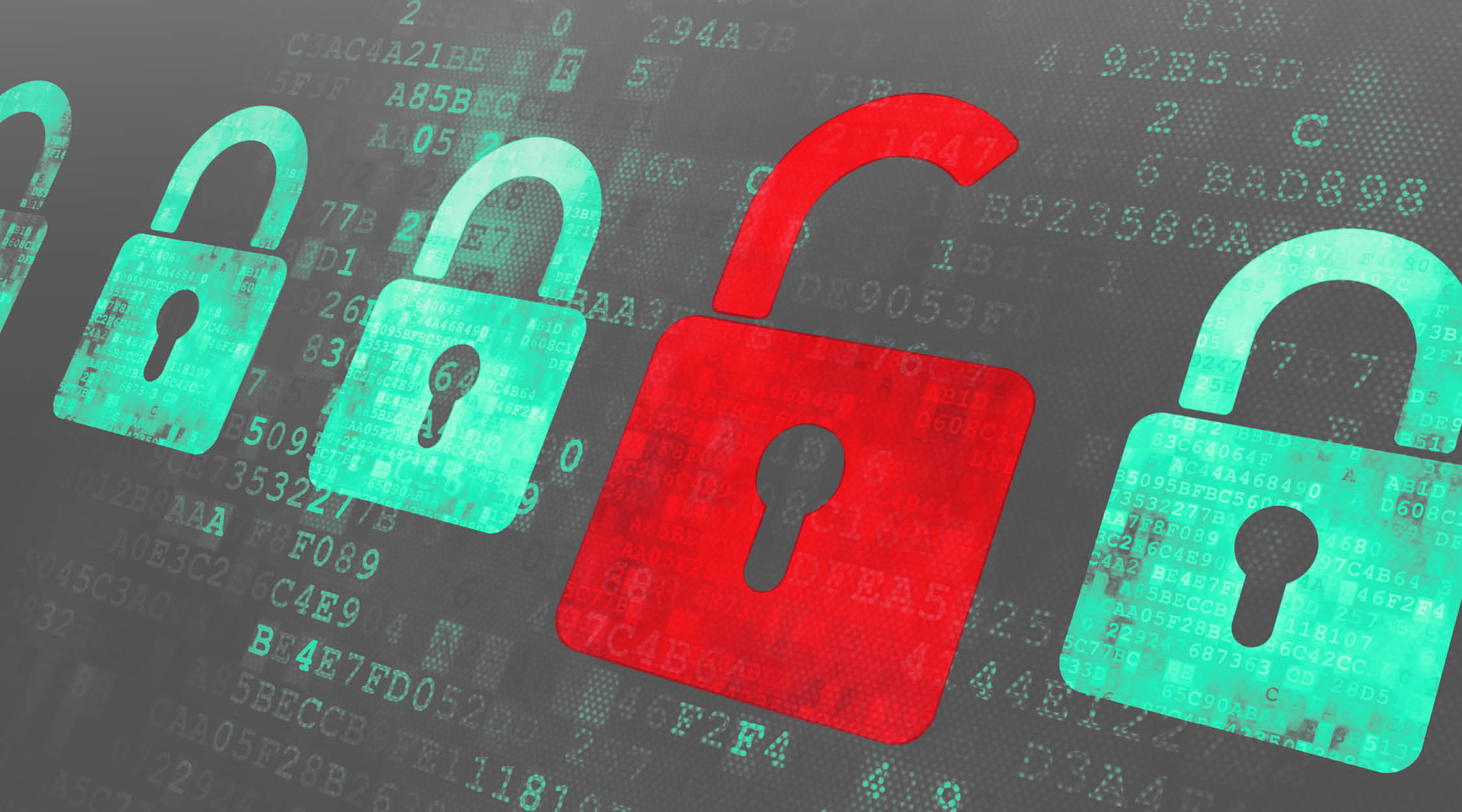
AI is transforming the way businesses work. It’s also fuelling the rise of AI-powered cyberattacks.
From Microsoft Copilot helping employees manage everyday tasks to AI agents automating processes, the technology is creating exciting opportunities for organisations of all sizes.
The problem is, businesses aren’t the only ones taking advantage of the technology.
Cybercriminals are using AI to make their attacks faster, more convincing and increasingly difficult to recognise.
And while the technology behind these attacks may be changing, the methods themselves will sound familiar.
Phishing emails. Fraudulent payment requests. Impersonation. Stolen passwords. Social engineering.
The difference is that AI makes many of these attacks easier to personalise and launch at scale.
For small and medium-sized businesses, that’s an important development.
The question is no longer whether you can spot a badly written scam email. It’s whether your business has the right processes and cyber security controls to identify a convincing one.
What Are AI-Powered Cyberattacks?
AI-powered cyberattacks are attacks where criminals use artificial intelligence to automate and improve activities that previously required more time and effort.
According to the UK’s National Cyber Security Centre (NCSC), AI is increasing the efficiency, effectiveness and frequency of cyber intrusions.
That includes helping criminals research potential targets, create convincing phishing messages and support activity following an initial compromise.
For example, a cybercriminal could use publicly available information from your company’s website, LinkedIn profiles and social media channels to understand:
- Who your senior decision-makers are
- Which employees handle financial transactions
- Who your suppliers and customers might be
- What projects your business is currently working on
- How your organisation typically communicates
They can then use AI to create messages that reference real people, projects and business activities.
Suddenly, a suspicious email doesn’t look particularly suspicious.
It looks like an ordinary request from someone your team recognises.
And that’s where the risk begins.
Why AI-Powered Phishing Emails Are Harder to Spot
For years, employees have been encouraged to look for common phishing warning signs.
Spelling mistakes.
Poor grammar.
Strange formatting.
Suspicious-looking links.
These are still useful things to watch for, but they’re no longer reliable indicators on their own.
Modern AI tools can produce polished, professional emails almost instantly.
They can adjust the tone, imitate familiar writing styles and tailor messages to specific recipients.
Imagine receiving an email that appears to come from your managing director:
“Hi Sarah, could you arrange payment for the outstanding supplier invoice this afternoon? We’re trying to get everything finalised before the project starts on Monday.”
The message sounds normal.
It references a real project.
It comes with a sense of urgency.
But what if the managing director never sent it?
This is the kind of deception businesses need to prepare for.
A well-written email is not necessarily a legitimate email.
Rather than relying entirely on how a message looks, employees should consider whether the request is expected, appropriate and verified.
AI Is Making Business Impersonation More Convincing
Impersonation is nothing new in cybercrime.
Criminals have long pretended to be directors, suppliers, customers and IT support teams to persuade people to share information or transfer money.
AI is making those attempts more convincing.
An attacker might send an email claiming to be from a supplier requesting a change to bank details.
They might follow up through a messaging platform.
They could then use an AI-generated voice or an impersonated telephone call to reinforce the story.
Each interaction makes the request seem more legitimate.
Yet every message could be controlled by the same criminal.
This creates particular risks for businesses where employees regularly handle:
- Supplier payments
- Customer financial information
- Confidential documents
- Password resets
- Account permissions
- Sensitive employee information
For business owners, the lesson is straightforward.
Familiarity is no longer enough to establish trust.
If somebody requests a change to payment details, confidential information or account access, that request should be verified using a separate, trusted method.
For example, contact the supplier using a telephone number already held in your records rather than one supplied in the suspicious email.
A simple verification process could prevent a very expensive mistake.
What Is AI-Powered Social Engineering?
Social engineering is the practice of manipulating people into sharing information, granting access or taking an action that benefits an attacker.
AI-powered social engineering uses artificial intelligence to make that manipulation more convincing or easier to scale.
For example, an attacker might:
- Generate a realistic message from a senior colleague
- Create a convincing fake IT support conversation
- Personalise fraudulent emails using public business information
- Use voice cloning to impersonate someone familiar
- Produce multiple versions of the same scam for different employees
The technology might be new, but the objective remains familiar.
The attacker wants somebody to trust the request enough to act.
That’s why cyber security cannot rely entirely on software.
Your employees and internal processes also need to be prepared.
Why Staff Cyber Security Awareness Still Matters
It’s tempting to respond to AI-powered cyberattacks by investing in more security software.
Modern protection is important, but technology alone cannot remove every risk.
Employees are still likely to encounter suspicious requests during their working day.
The challenge is helping them recognise when something deserves a second check.
Good cyber security awareness training should focus on practical situations rather than simply asking staff to remember a list of warning signs.
For example:
What should an employee do if a director requests an urgent bank transfer?
Verify the request through the agreed internal process.
What if a supplier emails new payment details?
Contact the supplier through an established communication channel before making changes.
What if an employee clicks a suspicious link?
Report it immediately so the appropriate security response can begin.
What if a message looks genuine but asks for something unusual?
Question it, verify it and seek advice.
The aim isn’t to make employees afraid of every email or telephone call.
It’s to give them the confidence to recognise unusual requests and follow a straightforward process.
At SOD-IT, we believe cyber security works best when the right technical protection is supported by practical staff awareness.
How Can Businesses Protect Themselves Against AI-Powered Cyberattacks?
There is no single piece of software that can stop every AI-powered cyberattack.
However, the fundamentals of good cyber security remain extremely effective when implemented and maintained properly.
Here are the areas we recommend businesses review.
1. Strengthen Email Security
Email remains one of the most common routes attackers use to target organisations.
Modern email security can help identify malicious links, suspicious attachments, phishing attempts and impersonation.
At SOD-IT, we work with trusted cyber security technologies, including Barracuda, to help organisations strengthen their email protection.
The aim is to reduce the number of dangerous messages reaching employees while improving visibility and response when suspicious activity does occur.
2. Use Multi-Factor Authentication
If an attacker obtains an employee’s password, multi-factor authentication (MFA) creates an additional barrier.
MFA should be enabled wherever possible, particularly for:
- Microsoft 365 accounts
- Business email
- Remote access
- Administrator accounts
- Financial applications
- Cloud systems containing sensitive information
Phishing-resistant authentication methods can provide stronger protection where supported.
MFA is not a guarantee against compromise, but it is an essential part of reducing the risk associated with stolen credentials.
3. Review User Access and Permissions
Not every employee needs access to every business system.
If an account becomes compromised, excessive permissions can increase the potential damage.
Businesses should regularly review which employees can access sensitive information, administrator tools and critical applications.
Former employees’ accounts should also be disabled promptly during offboarding.
The less unnecessary access that exists, the fewer opportunities an attacker has to exploit it.
4. Keep Devices and Software Updated
AI may help criminals develop more convincing attacks, but outdated technology remains a familiar weakness.
Unsupported devices, missed security updates and unpatched applications can create opportunities for attackers.
A managed IT service can help businesses maintain consistent updates, monitor device health and identify systems approaching the end of their supported lifespan.
This is particularly important for growing organisations managing multiple laptops, desktops, servers and cloud applications.
5. Test Your Backups and Recovery Processes
Preventing an attack is always preferable.
But businesses also need to prepare for the possibility that something goes wrong.
Your backup strategy should cover the systems and data your business depends on.
Backups should also be protected from unauthorised access and tested regularly.
After all, a backup that has never been successfully restored is not a fully tested recovery plan.
6. Monitor for Suspicious Activity
An unusual sign-in, unexpected mailbox forwarding rule or unexplained permissions change could indicate that an account has been compromised.
Proactive monitoring helps businesses identify warning signs earlier.
When supported by a clear response process, it also allows appropriate action to be taken before a security issue causes wider disruption.
Are Small Businesses at Risk from AI-Powered Cyberattacks?
Absolutely.
AI-powered cyberattacks are not reserved for large organisations.
Smaller businesses also manage valuable information, process payments and rely on technology to operate.
In some cases, they may have fewer internal resources dedicated to cyber security.
A growing organisation might have dozens of employees using Microsoft 365, shared documents, remote devices and financial software, but no dedicated internal security team.
That creates challenges around:
- Monitoring suspicious activity
- Managing user permissions
- Maintaining updates
- Reviewing email security
- Training employees
- Planning incident response
This is where managed IT support and cyber security services can provide valuable support.
Rather than relying on someone to remember every security task alongside their normal responsibilities, businesses can introduce a more consistent approach to protection.
What Should You Do If You Suspect an AI-Powered Scam?
The first priority is to avoid taking the action requested until the message has been verified.
If you suspect an email, call or message is fraudulent:
- Stop the interaction. Don’t share passwords, approve payments or open additional attachments.
- Verify independently. Contact the supposed sender using established contact details.
- Report the concern. Notify your IT support provider or internal security contact promptly.
- Act quickly if information was shared. Your IT team may need to secure accounts, revoke sessions or investigate affected devices.
- Follow your incident response plan. If a payment or sensitive data has been compromised, additional reporting and recovery steps may be required.
The most important thing is that employees know who to contact and feel comfortable reporting concerns.
A quick report can make a significant difference to how effectively an incident is contained.
Five Questions to Ask About AI-Powered Cyberattacks
You don’t need to become a cyber security specialist to understand whether your organisation is prepared.
Start by asking:
- Could somebody change supplier bank details without independent verification?
- Are our Microsoft 365 and other important accounts protected by MFA?
- Would employees know how to report a convincing phishing attempt?
- Are our devices regularly updated and our backups tested?
- If an account was compromised today, would we know how to respond?
If you’re unsure about the answers, that doesn’t necessarily mean your business is insecure.
But it does highlight areas worth reviewing.
You may already have some of the right protections in place. The important thing is understanding whether they are configured correctly, consistently maintained and supported by clear processes.
How SOD-IT Protects Businesses From AI-Powered Cyberattacks
AI is creating exciting opportunities for businesses, and at SOD-IT, we’re helping organisations embrace those opportunities securely.
But as AI-powered cyberattacks become more common, businesses also need to ensure their cyber security keeps pace.
Our managed IT and cyber security services help businesses strengthen the areas that matter most, including:
- Advanced email security and phishing protection
- Microsoft 365 security
- Multi-factor authentication
- Endpoint protection
- Patch management
- Identity and access controls
- Backup and disaster recovery
- Proactive monitoring
- Cyber security awareness
- Incident response planning
We work with businesses to understand their existing systems, identify potential weaknesses and recommend practical improvements.
Our approach isn’t about creating fear or adding unnecessary complexity.
It’s about helping businesses take advantage of modern technology while reducing avoidable risk.
Is Your Business Prepared for AI-Powered Cyberattacks?
AI-powered cyberattacks are not a reason to avoid artificial intelligence.
They’re a reason to take cyber security seriously.
As phishing, impersonation and social engineering become more convincing, businesses need to move beyond relying on obvious warning signs.
Strong email protection, reliable authentication, sensible approval processes and well-informed employees all have an important role to play.
The businesses best prepared for these threats will be those that combine modern cyber security technology with practical processes and ongoing support.
If you’d like to understand how well your organisation is protected against today’s cyber threats, speak to SOD-IT.
We’ll help you assess your current setup and identify the improvements that matter most.
Get in touch with SOD-IT today.
📞 0141 488 1533
📧 [email protected]
🌐 www.sod-it.co.uk
SOD-IT is part of The Solutions on Demand Group.